
Why It Matters
We drive member behaviors that improve quality outcomes
We help plans improve overall quality performance by tailoring our approach to your members and your goals
From engagement to quality outcomes
Program Design
Program Design
Why it matters: Our programs are designed around target populations and priority quality measures, including HEDIS, Stars, and state‑ and market‑level quality initiatives. We take on the operational lift, so members receive relevant support that drives member engagement and measurable movement toward health plan goals.
Early Engagement
Early Engagement
Why it matters: We reach hard‑to‑engage members early through trusted, accessible outreach that expands your reachable population and creates the foundation needed to remove barriers and influence the behaviors that influence quality performance.
Guided Navigation
Guided Navigation
Why it matters: Navigating the healthcare system is overwhelming for members, especially those with complex needs. We guide them through their care journey, connect them to the right resources, and remove barriers, making it easier to access needed care to close gaps.
Member Activation
Member Activation
Why it matters: Activation turns a member’s care plan into meaningful action. With clear guidance and support, members build self‑efficacy, and confidently complete visits, screenings, and follow-ups that close each care gap, driving both quality and utilization outcomes.
Quality Outcomes
Quality Outcomes
Why it matters: Sustained member action reduces avoidable utilization and strengthens performance across priority initiatives – with clear attribution to the program elements and needs addressed that generated meaningful impact and return on quality.
Engagement & activation outcomes
higher rate of engagement vs. industry average
complete a targeted health screening
of member-reported barriers resolved in real time
(NPS) net promoter score, best in class member satisfaction
Utilization outcomes
overall cost reduction
decrease in unhealthy days/month
reduction in ED admissions
decrease in hospitalizations
Population Outcomes
Diabetes
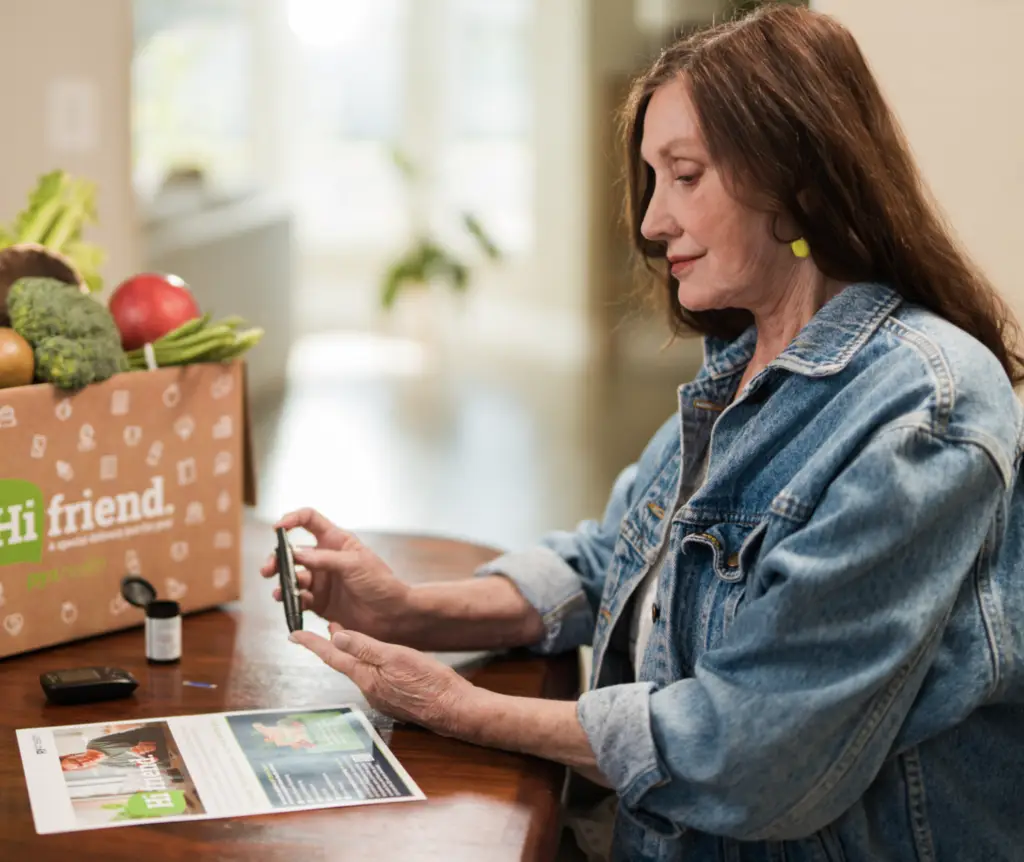
Managing diabetes can feel overwhelming when multiple care gaps exist. Support to help all members sustain the behaviors that support diabetic management is essential. We improve screening and day-to-day behaviors that support A1C control, especially where social barriers are high.
- 38% average closure rate for all diabetic care tasks
- 10% increase in A1c screening vs previous year
- 4% higher compliant A1C, <8%, vs. control
- 98% agreed the program improved their completion of recommended diabetic care tasks
Chronic Conditions
- 46% of members completed all open care gaps
- 36% increase in medication refills
- 57% decrease in ED admissions in behavioral health population
- 79% more confident managing their chronic condition

DSNP/Duals
- 38% average gap closure rate
- 9% point increase compared to previous year
- 3.9% rate of contact information correction
- 44% obtained an A1c screening
- 44% completed a diabetic eye exam
- 39% completed a kidney health evaluation
Maternal
- 71% of members reported prenatal visit and maternal history data at opt-in
- 20% increase in post-partum visit attendance
- 55% reduction in depression among maternal members
Youth & Family
Caregiver support helps families establish early well-child visits and stay on track with preventive care, from immunizations to conversations about mental health.
- 34% completed 2 or more well-child visits
- 44% received an age-appropriate vaccine
- 23% visited their dentist
- 98% caregivers agreed the program helped their child to complete needed health activities

Behavioral Health
Early identification and ongoing engagement prevent behavioral health crises and reduce high-cost utilization.
- 18% improvement in PHQ-4 scores
- 5% decrease in hospitalizations
- 57% decrease in ED admissions
- 47% improvement in BH 7-day follow-up
Preventive Care and Compliance
- 38% completed an annual wellness visit
- 10% increase in breast cancer screenings
- 16% completed a colon cancer screening in Q4
- 91% completed an annual vaccination